- Carrera 29 No 36 -78 SUR
- 3114972190
- 3118267837
- 601 6417564

Start checking out and revel in the advantages of gay dating
10 febrero, 2025Get began with our easy-to-use dating platform
23 febrero, 2025So, I was messing around with my Solana staking setup the other day when it hit me—choosing a validator isn’t just about who promises the highest rewards. Wow! It’s way more nuanced than that, and honestly, it can get kinda tricky. Initially, I thought, “Hey, just pick the biggest validator and call it a day.” But then I realized there’s a whole ecosystem of factors you gotta consider if you want your staking rewards to actually make sense and, more importantly, to keep your coins safe.
Here’s the thing: staking on Solana feels like a mix of art and science. You want good returns, sure, but you also want a validator that’s reliable and transparent—because your rewards track back to their performance and uptime. Something felt off about the way some validators displayed their stats, so I dug deeper. And yeah, not all validators are created equal.
My instinct said to look beyond just the percentage rewards and dig into the transaction history and validator reliability. This is crucial if you’re like me, someone who’s a bit wary of leaving their crypto parked without oversight. The good news? Tools like the solflare wallet make it way easier to keep an eye on all that without getting lost in a maze of charts.
But before we jump into how to pick a validator or check your transaction history, let me tell you about a little surprise I stumbled on that changed the way I stake on Solana.
Why Validator Selection Is More Than Just Numbers
Okay, so check this out—when you’re staking, you’re essentially trusting a validator to help secure the network while they earn rewards, a cut of which comes back to you. Simple, right? Well, not really. On one hand, you want validators with a high commission rate because they keep a slice of your earnings. But on the other hand, those with lower commissions might have less reliable infrastructure, which means potential downtime or missed rewards.
At first, I thought the best strategy was to pick validators with the lowest commissions, but actually, wait—let me rephrase that… Sometimes paying a bit more in fees pays off because some validators are super diligent and rarely miss a slot. And that uptime means your rewards come in steadily, without nasty surprises.
Validators’ performance directly impacts your staking yield, but it’s not always easy to spot the real winners. I mean, you can check leaderboard stats, but those can be skewed by validators who just started or those who’ve been gaming the system. Plus, the Solana network’s speed and complexity make it hard to track every nuance without the right tools.
Here’s what bugs me about some staking dashboards—they don’t always give you the full picture on transaction history or validator behavior. Without transparency, you might be missing out on subtle signs that a validator is underperforming or worse, acting maliciously.
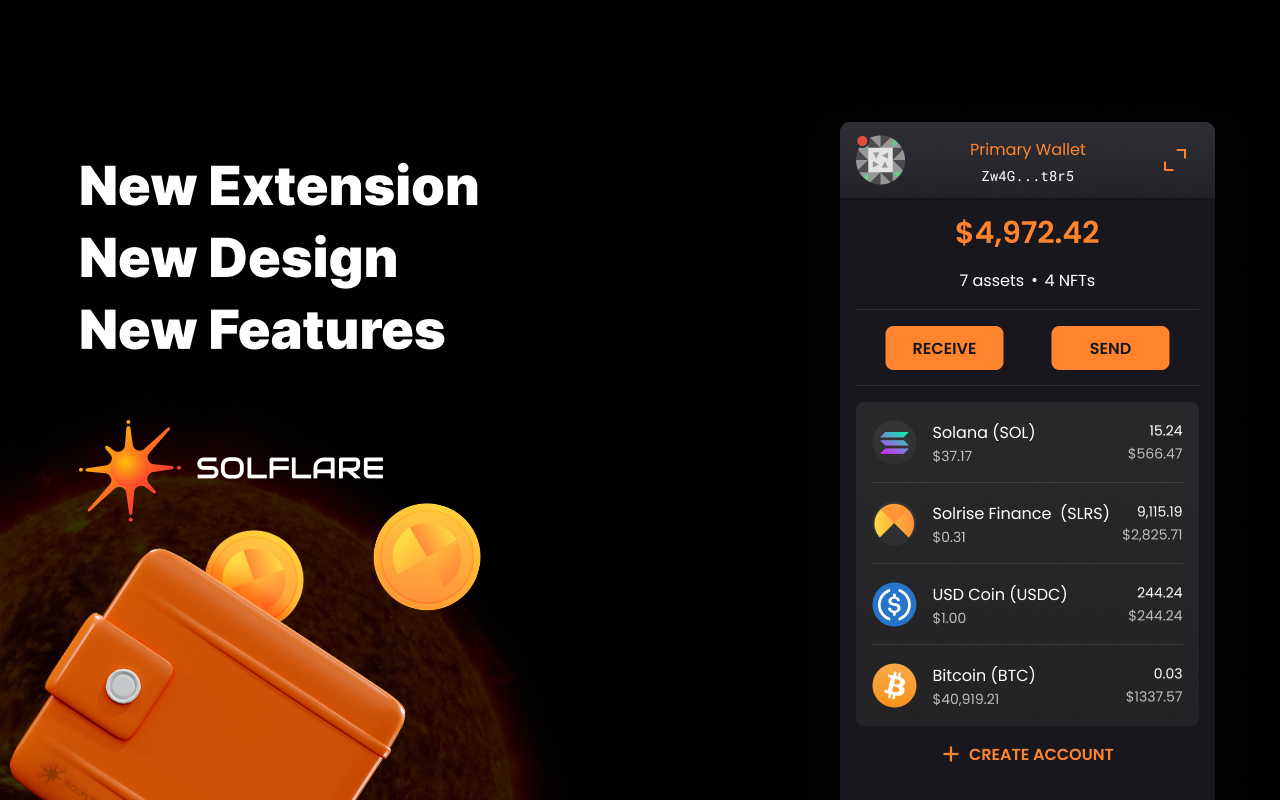
And this is why I lean heavily on wallets that offer integrated analytics rather than just showing your balance. The solflare wallet extension, for example, tracks your staking rewards and transaction history in a way that feels intuitive and trustworthy. It’s like having a personal dashboard that speaks your language.
The Surprise: Transaction History Tells a Story You Can’t Ignore
So, here’s the kicker: looking at your transaction history isn’t just about confirming deposits and withdrawals. It’s also a window into how your staked SOL is behaving over time. I was shocked to find that some of my rewards were delayed or smaller than expected, and the transaction logs helped me pinpoint validators with inconsistent payouts.
Really? Yeah. I didn’t expect that at all. It turns out that some validators might be penalized for network errors or outages, and those penalties trickle down to you—your rewards get hit. This part bugs me because it feels like you’re exposed to risks outside your control, but knowing this helps you make smarter choices.
Another thing—I noticed transaction timestamps sometimes don’t sync perfectly with validator performance data, which made me realize I needed a wallet that syncs all this info in one place. That’s exactly why I switched to using the solflare wallet extension. It’s not just a wallet; it’s my staking HQ.
Oh, and by the way, this whole process made me rethink how I diversify my staked assets. Spreading stakes across multiple validators isn’t just about safety; it’s a way to hedge against unpredictable network hiccups and validator downtime.
Staking Rewards: What You Should Really Expect
Let me be blunt: staking rewards aren’t a guaranteed payday. They fluctuate based on network conditions, validator uptime, and even Solana’s inflation rate settings. On one hand, you might see juicy rewards during network booms, but on the other, slashing events or technical issues can cut those gains down drastically.
Initially, I was chasing the top APRs, but I quickly realized that chasing high returns without vetting validators is like chasing a mirage. Actually, it’s worse because you might lock up your funds and watch your rewards dwindle without even realizing why.
So, here’s what I do now: I use the Solana explorer combined with my wallet’s built-in history to cross-check rewards and validator performance. That extra step feels very very important. It’s kinda like balancing a checkbook, but for crypto.
And speaking of balance, the solflare wallet extension lets you see detailed staking rewards and transaction histories in one clean interface. Honestly, it’s a game changer for staying on top of your staking game.
Though actually, I’m not 100% sure if this is the perfect method for everyone. Some folks might prefer more automated or passive approaches, but for those who want control and transparency? This setup works great.
Tracking Your Transactions Like a Pro
Here’s what I learned about transaction history: it’s not just a log; it’s a diagnostic tool. When rewards seem off, the first place to check is your transaction feed. Are rewards coming in regularly? Are there delays? Any unexpected fees? Those answers reveal a lot about your validator’s health and the network status.
One time, I noticed a reward delay that coincided with a reported Solana network slowdown. That little sync-up helped me understand that some issues are systemic, not validator-specific. Wow, that was a relief.
But there are also instances when a validator’s commission changed mid-cycle or they had outages, which directly hit my payouts. Tracking those moments through the transaction history helped me decide to shift stakes elsewhere.
Honestly, if you’re staking on Solana and not checking your transaction history regularly, you’re flying blind. The solflare wallet extension smooths this process by tying everything together—staking rewards, commissions, and transactions—in one place.
It’s not perfect, of course. Sometimes the data sync lags a bit, but that’s just part of dealing with fast-moving blockchain tech.
A Bit About Validator Diversity and Risk
Okay, so here’s a quick tangent—validator diversity matters way more than I gave it credit for. Putting all your eggs in one validator basket can be risky. If that validator goes offline or gets slashed, you could lose rewards or even staked principal.
My take? Spread your stake across a handful of validators with good track records and moderate commissions. It’s not sexy, but it reduces risk. Plus, it supports network decentralization, which is good for everyone.
And if you’re wondering how to manage multiple stakes without getting overwhelmed, that’s where wallets like the solflare wallet extension shine. It consolidates your delegations and rewards info so you don’t have to chase multiple dashboards.
Yeah, I’m biased, but having all that info in one place took a ton of stress off my plate.
Seriously, the more you dig into validator stats and transaction history, the more you appreciate tools that give you clear, actionable insights.
Final Thoughts (For Now)
So, circling back to where I started—staking on Solana isn’t just a “set it and forget it” gig. Validator selection, staking rewards, and transaction history are all intertwined pieces of a puzzle that you have to keep an eye on. My gut says that the best way forward is blending intuition with solid data, and using reliable tools to track everything.
Honestly, the solflare wallet extension has become my go-to because it balances usability with the depth I need to make informed choices. It’s not perfect, but it’s definitely a step up from fumbling through multiple platforms or relying on incomplete info.
Anyway, I’m still learning and tweaking my approach, but if you’re staking SOL, I’d say don’t overlook the value of careful validator selection and regular transaction checks. That’s the difference between cruising comfortably and getting blindsided by network quirks or validator slip-ups.
Alright, I’m gonna leave it here for now—got some more validators to vet and some rewards to claim…